About TMT Bars
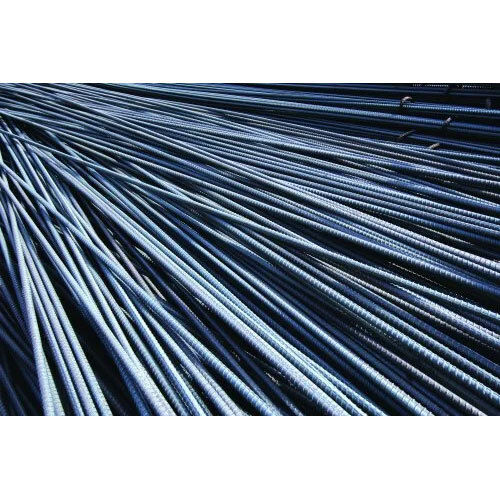
We are known as a famous manufacturer of TMT Bars. These bars are known for its high abrasion, rust resistance, high tensile strength and long life. Provided bars are used for construction purposes and are one of the basic needs for construction any structure. They can be availed from us in different widths and sizes, according to the requirements of patrons. In addition, we deliver these TMT Bars at customers' premises within stipulated time.
Product details
| Single Piece Length | 12.2 meter |
| Diameter | 12mm |
| Material | Mild Steel |
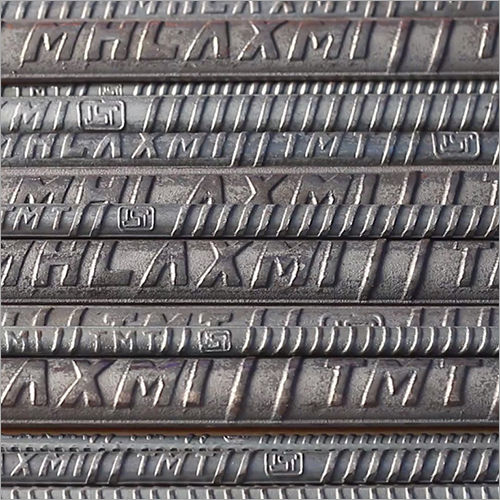
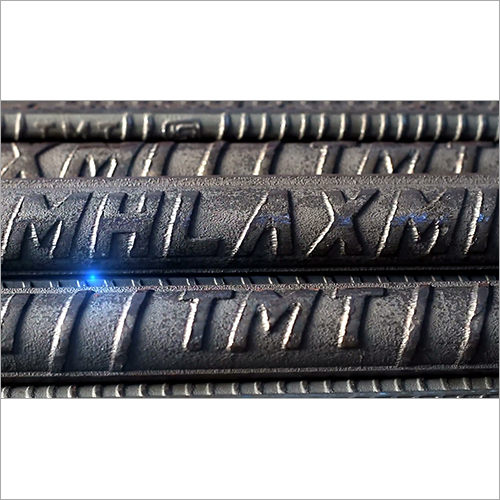
| Brand | MHLAXMI |
| Delivery Period | 3-5 days |
| Type | TMT Bend/Straight Bar |
| Grade | Fe 500 |
| Usage/Application | Concrete Reinforcement & Construction |
Client is dealing on below location
Goa, Karnataka, Maharashtra
These TMT Bars are engineered to provide high yield strengths from 415 to 600 MPa, depending on the grade. The thermo-mechanical treatment enhances their flexibility, enabling superior bendability and rebending without cracks. This quality ensures reliable performance under dynamic construction conditions, making them a dependable choice for diverse building projects.
Superior Corrosion ResistanceHot rolled and ribbed, the surface of the TMT Bars features exceptional corrosion resistance, vital for longevity in harsh environments. Their protective layer significantly reduces rust formation, which makes these bars suitable for construction in coastal or humid regions, preserving structural integrity over extended periods.
Versatile Size and Application RangeAvailable in diameters from 8 mm to 32 mm and customizable lengths, these TMT Bars cater to varied structural needs. They meet the requirements of IS 1786:2008 and are suitable for use in building, industrial applications, bridges, and RCC structures, offering architects and engineers flexibility in design and execution.
FAQs of TMT Bars:
Q: How do TMT Bars enhance the structural integrity of construction projects?
A: TMT Bars, manufactured via thermo-mechanical treatment, offer high yield strength and excellent elongation. This combination ensures optimal load-bearing capacity and provides resistance to seismic forces, boosting the overall durability and safety of structures like buildings and bridges.
Q: What is the process behind the production of TMT Bars?
A: TMT Bars are produced through a thermo-mechanical treatment process, involving rapid quenching and self-tempering. This process refines the steels microstructure, resulting in enhanced strength, flexibility, and resistance to corrosion suitable for demanding construction environments.
Q: When should different grades of TMT Bars be selected for a project?
A: Grade selection (Fe 415, Fe 500, Fe 550, Fe 600) depends on the projects structural requirements. Higher-grade bars are chosen for projects demanding greater strength, such as bridges and high-rise structures, while standard grades are suitable for general building and RCC work.
Q: Where can these TMT Bars be utilized?
A: These TMT Bars are ideal for use in a variety of applications, including residential and commercial buildings, industrial facilities, bridges, and reinforced concrete structures, offering reliable reinforcement in diverse environments across India and international locations.
Q: What are the benefits of corrosion-resistant TMT Bars in construction?
A: Corrosion-resistant TMT Bars significantly extend the lifespan of structures by preventing rusting, especially in coastal or high-humidity areas. This results in reduced maintenance costs and increased safety over the lifetime of the construction.
Q: How does the ribbed finish of TMT Bars contribute to their performance?
A: The ribbed finish on TMT Bars enhances their bonding with concrete, reducing slippage and improving the load transfer between steel and concrete. This contributes to stronger and more durable overall structures.
Q: Can TMT Bars be easily welded or bent during installation?
A: Yes, TMT Bars offer excellent weldability and bendability, meaning they can be shaped and joined as needed for construction applications without compromising structural strength or safety.








 Send Inquiry


 Send Inquiry
 Send Inquiry
 Send SMS